
Article At A Glance
- Final expense insurance is a type of whole life insurance designed to cover end-of-life costs including funeral arrangements, medical bills, and outstanding debts.
- Most policies require no medical exam — just a brief health questionnaire — making them accessible even for those with pre-existing conditions.
- The median cost of a funeral in the U.S. is $8,300, and total end-of-life expenses can easily exceed $10,000 when medical and legal costs are included.
- Coverage amounts typically range from $2,000 to $50,000, with premiums that stay fixed for life regardless of changes in your health.
- Keep reading this Ranwell Insurance page to discover which type of final expense policy best fits your situation — and the one mistake most people make when choosing a plan.
Most people don’t realize how quickly end-of-life costs can spiral — and by the time they do, their options are limited.
Final expense insurance exists to solve exactly that problem. It’s a straightforward, affordable form of permanent life insurance that gives your family the funds they need to handle funeral costs, unpaid medical bills, and any other financial loose ends you leave behind. Aflac offers final expense whole life insurance that provides cash benefits your beneficiaries can use for any expense — not just funeral costs.
Final Expense Insurance Covers More Than Just Funerals

“Life Insurance | Fidelity Life” from fidelitylife.com and used with no modifications.
When most people hear “final expense insurance,” they think of funeral coverage. That’s the primary use, but it’s far from the only one. The death benefit your beneficiary receives is cash — and cash is flexible. It can go toward a funeral, yes, but it can just as easily cover unpaid hospital bills, credit card balances, legal fees for settling an estate, or even everyday household expenses while your family gets back on their feet.
Policy Payouts Range From $2,000 to $50,000
Final expense policies are intentionally scaled to match real-world end-of-life costs. Most people choose coverage between $10,000 and $20,000, which is enough to handle a traditional funeral and leave a small buffer for additional expenses. If your needs are more modest — say, covering a cremation and a few outstanding bills — a $5,000 policy may do the job perfectly.
No Medical Exam Required in Most Cases
This is one of the biggest advantages of final expense insurance compared to traditional life insurance. In most cases, approval comes down to answering a brief health questionnaire rather than sitting through a full medical exam with bloodwork and physical assessments. That makes a real difference for older adults or anyone managing a chronic health condition who might otherwise struggle to qualify for coverage.
Guaranteed issue policies take this even further — they skip the health questions entirely and accept all applicants, regardless of medical history. There’s a trade-off involved with that type of coverage, which we’ll get into shortly.
Premiums Stay Fixed for Life
Unlike term life insurance, which expires, or adjustable policies where rates can shift, final expense insurance locks in your premium the moment you’re approved. Pay your premium, keep your policy active, and your rate never changes — even as you age or if your health declines. That predictability is especially valuable on a fixed retirement income.
The Real Cost of Dying in America
“What Is Final Expense Insurance?” from www.investopedia.com and used with no modifications.
The financial reality of dying in America is something most families are underprepared for. A single death can trigger a cascade of costs that arrive fast, often before any savings can be organized or assets liquidated. For those concerned about these expenses, understanding life insurance options can be crucial in managing the financial burden.
Median Funeral Cost With Burial Is $8,300
According to industry data, the median cost of a funeral with viewing and burial is $8,300. That figure covers the basics — casket, burial vault, funeral home services, and transportation. It doesn’t include the cemetery plot, headstone, flowers, obituary notices, or reception costs, which can push the total well past $12,000 to $15,000 depending on your location and preferences. For those considering life insurance to cover expenses, planning ahead can alleviate financial burdens on loved ones.
Cremation and Urn Services Average $6,280
Cremation is generally less expensive, with average costs sitting around $6,280 for a cremation with a viewing and formal ceremony. A direct cremation with no ceremony can cost significantly less, but even that option typically runs $1,500 to $3,000 depending on the provider. Either way, having a dedicated fund set aside — rather than leaving family members scrambling — makes an enormous difference in an already difficult time. For those considering options, life insurance for Georgia seniors can be a helpful way to cover these expenses.
How Final Expense Insurance Actually Works
Final expense insurance is a permanent whole life insurance policy built specifically for end-of-life planning. You apply, get approved, choose your coverage amount, and start paying premiums. As long as you keep the policy active, your beneficiary receives the death benefit when you pass — it’s that straightforward.
Unlike term life insurance, there’s no expiration date. The policy doesn’t run out after 10 or 20 years. It stays in force for the rest of your life, which is a critical feature for anyone using it as a dedicated funeral and final expense fund. Many policies also accumulate a small cash value over time, which you can borrow against if needed — though doing so reduces the death benefit.
| Feature | Final Expense Insurance | Traditional Life Insurance |
|---|---|---|
| Coverage Amount | $2,000 – $50,000 | $100,000+ |
| Medical Exam Required | Usually No | Often Yes |
| Premium Flexibility | Fixed for Life | Varies by Policy |
| Policy Duration | Permanent | Term or Permanent |
| Approval Speed | Same Day Possible | Days to Weeks |
| Best For | Seniors, Pre-Existing Conditions | Younger, Healthy Applicants |
The application process is designed to be simple and fast. Many insurers can provide same-day approval, and some policies allow coverage to begin immediately once your first premium is paid.
Whole Life Policy Structure With Permanent Coverage
Because final expense insurance is built on a whole life structure, it comes with the same core guarantees: fixed premiums, a guaranteed death benefit, and coverage that never expires. The difference is scale — these policies are designed to be affordable and accessible rather than wealth-transfer tools.
Beneficiaries Receive a Tax-Free Cash Payout
When you pass, your named beneficiary receives the death benefit as a lump-sum, tax-free cash payment. They are under no obligation to spend it on funeral costs specifically — they can allocate it however they see fit. That flexibility is intentional. End-of-life financial needs vary from family to family, and a cash benefit respects that reality. If you’re wondering about options for seniors, you might be interested in learning whether a 70-year-old can get life insurance in Georgia.
This is a meaningful distinction from preneed funeral insurance, where the payout is tied directly to a specific funeral home and locked into pre-selected services. We’ll compare the two directly in a later section.
Coverage Starts as Low as $5,000 and Goes Up to $50,000
Most final expense insurers offer coverage in a range that mirrors actual end-of-life costs. A $5,000 policy might cover a simple cremation and a few loose bills. A $20,000 policy gives a family room to handle a full funeral, settle debts, and cover some immediate living expenses without financial stress. Policies above $25,000 exist but are less common in the final expense category — at that level, other permanent life insurance products may offer better value.
Guaranteed Issue vs. Standard Final Expense Policies
- Standard Final Expense Policy: Requires a brief health questionnaire; approval is based on answers; typically offers lower premiums and immediate coverage.
- Simplified Issue Policy: A middle-ground option with a few medical questions; no physical exam required; premiums are moderate.
- Guaranteed Issue Policy: No health questions asked; all applicants accepted regardless of medical history; comes with higher premiums and a graded benefit period.
The most important thing to understand about guaranteed issue policies is the graded benefit period. Most guaranteed issue final expense plans include a two-year waiting period from the date the policy is issued. If the insured passes away during those first two years from natural causes, the beneficiary typically receives a refund of premiums paid plus interest — not the full death benefit. After the two-year mark, the full benefit kicks in unconditionally.
This waiting period exists because the insurer is taking on unknown risk. They’re agreeing to cover someone without any health information, which means they need a buffer period to protect against policies being taken out in anticipation of an imminent death. For more insights on life insurance options, you can explore life insurance for seniors.
For someone in reasonably good health, a standard or simplified issue policy is almost always the better choice. The premiums are lower, coverage is typically immediate, and the approval process is still quick and easy. Guaranteed issue makes the most sense for people who have been declined for other coverage or have serious health conditions that would disqualify them from standard plans.
It’s worth shopping both types if you’re unsure. Some applicants assume they won’t qualify for standard coverage based on their health history and default to guaranteed issue — only to find out they would have been approved for a better policy at a lower rate. Getting multiple quotes before committing to any plan is always the right move.
Standard Policies Require a Health Questionnaire
Standard final expense policies ask a series of health-related questions during the application process. These questions typically cover major conditions like heart disease, cancer, stroke history, and whether you’re currently hospitalized or receiving hospice care. Answering honestly is essential — misrepresentation can void the policy and leave your beneficiary with nothing. If you’re concerned about coverage limitations, learn more about senior life insurance options available even with health conditions.

“Are Final Expense Insurance Policies a …” from www.riskquoter.com and used with no modifications.
Guaranteed Issue Accepts All Applicants Regardless of Health
Guaranteed issue final expense insurance does exactly what the name says — it guarantees acceptance. No health questions, no medical records review, no possibility of being turned down. This makes it the policy of last resort for people with serious health conditions who have been declined elsewhere. The trade-off is higher premiums and the graded benefit period described above. If you’re wondering at what age you should stop buying life insurance, it’s important to consider your health and financial needs.
The Two-Year Waiting Period on Guaranteed Issue Plans
The two-year waiting period is the single most important detail to understand about guaranteed issue policies. During this window, if the insured dies from natural causes, the beneficiary receives a refund of premiums paid — typically with interest — rather than the full death benefit. Accidental death is usually covered in full from day one, but natural causes trigger the graded benefit structure.
For someone purchasing a guaranteed issue policy at 70 or older with a serious health condition, this waiting period is a real risk to consider. Two years is a long time, and the whole point of the policy is to protect your family financially. If you pass during that window, the protection is partial at best. Learn more about the pros and cons of final expense insurance to make an informed decision.
That said, for people with no other options, even a graded benefit policy is better than no coverage at all. A premium refund plus interest still returns something to your family — it just won’t be the full $10,000 or $15,000 they would have received after the waiting period. Plan accordingly and make sure your beneficiary understands exactly how the policy works before you sign.
Who Should Get Final Expense Insurance

“Final Expense | LMB Financial Group” from lmbfinancialgroup.com and used with no modifications.
Final expense insurance isn’t the right fit for everyone, but for a specific group of people, it’s one of the most practical financial decisions they can make. The policy is designed for those who want guaranteed, permanent coverage without the complexity or cost of traditional life insurance.
Adults Over 50 With Limited Savings
If you’re over 50 and don’t have $10,000 to $15,000 sitting in a dedicated account for end-of-life costs, final expense insurance fills that gap directly. Most people in this situation aren’t wealthy enough to self-fund a funeral, but they also aren’t young enough to make a large traditional life insurance policy affordable.
Final expense insurance is purpose-built for this scenario. It delivers exactly the coverage amount most families need, at a premium that fits a retirement or fixed income budget — without asking you to overextend financially just to stay insured.
People With Pre-Existing Health Conditions
Chronic conditions like diabetes, high blood pressure, heart disease, or COPD can make it difficult or impossible to qualify for traditional life insurance at a reasonable rate. Final expense policies are specifically designed to be accessible to people managing these conditions.
Standard final expense policies will ask about your health history, but they’re generally more lenient than traditional underwriting. Many conditions that would disqualify you from a term life policy won’t automatically disqualify you from a final expense plan. And if your health situation is severe enough that even standard final expense policies won’t approve you, guaranteed issue remains an option.
The key is not to self-select out of the process before you’ve actually applied. Many people assume their health makes them uninsurable and never bother applying — only to find that final expense coverage was well within reach the whole time.
Those Who Cannot Qualify for Traditional Life Insurance
Traditional life insurance underwriting is rigorous. It considers your age, health history, family medical history, lifestyle, occupation, and more. If you’ve been declined for a traditional policy, that doesn’t mean you’re out of options — it often just means final expense insurance is where you need to start looking.
Final expense policies were created specifically to serve people who fall outside the bounds of standard life insurance eligibility. Whether you’re 78 years old, managing multiple health conditions, or simply purchasing coverage later in life than is ideal, there is almost certainly a final expense policy that will accept your application.
The payout won’t be as large as a traditional life insurance death benefit, but for covering funeral costs and immediate final expenses, it doesn’t need to be. A $15,000 to $20,000 policy is often all a family needs to avoid financial hardship in the weeks following a death.
Pros and Cons of Final Expense Insurance

“Final Expense Insurance …” from www.pinnaclequote.com and used with no modifications.
Like any financial product, final expense insurance has genuine strengths and real limitations. Understanding both sides helps you make a decision that actually fits your situation rather than one you’ll regret later.
The biggest mistake people make is treating final expense insurance as either a perfect solution or a poor value — when the reality is that it’s an excellent fit for certain people and a less efficient choice for others. Here’s an honest look at both sides.
1. Pro: Easy Approval Process
- No full medical exam required in most cases
- Approval often granted on the same day you apply
- Coverage can begin immediately once your first premium is paid
- Guaranteed issue options exist for those with serious health conditions
- Application process can often be completed online or by phone
The simplified approval process is what sets final expense insurance apart from virtually every other form of permanent life insurance. Traditional whole life policies can take weeks to underwrite, involving blood panels, urine tests, medical record reviews, and in-person exams. Final expense skips all of that.
For older adults who need coverage quickly, or for anyone who finds the traditional underwriting process intimidating, this is a significant advantage. You can go from application to active coverage in a single afternoon with many providers.
Speed matters more than most people realize. Life is unpredictable, and every day you delay getting coverage is a day your family is exposed to financial risk if something unexpected happens. The fast approval process removes the friction that often causes people to put off purchasing coverage indefinitely.
2. Pro: Fixed Premiums That Never Increase
Once your policy is issued, your premium is locked in permanently. It doesn’t matter if you’re diagnosed with a new condition, turn 80, or your insurer’s costs go up — your monthly or annual payment stays exactly the same for the life of the policy. On a fixed income, that kind of predictability is genuinely valuable.
3. Pro: Flexible Payout for Any Expense
The death benefit is paid directly to your named beneficiary as a tax-free lump sum. There are no restrictions on how it gets used. Your family can put it toward the funeral, pay off your remaining medical bills, cover the mortgage for a month while they reorganize finances, or use it for any other immediate need.
This flexibility is a meaningful distinction from preneed funeral insurance, which locks the payout to a specific funeral home and pre-selected services. Final expense insurance trusts your family to make the right decisions — and in most cases, that trust is well placed.
4. Con: Lower Payouts Than Traditional Life Insurance
Final expense policies max out around $50,000, with most people choosing coverage between $10,000 and $20,000. If you have significant debt, dependents who rely on your income, or a mortgage that needs to be covered, that level of coverage won’t be enough on its own. Final expense insurance is designed to handle final costs — not replace income or pay off large liabilities. For broader financial protection, it would need to be paired with another policy.
5. Con: Premiums Rise When You Purchase Later in Life
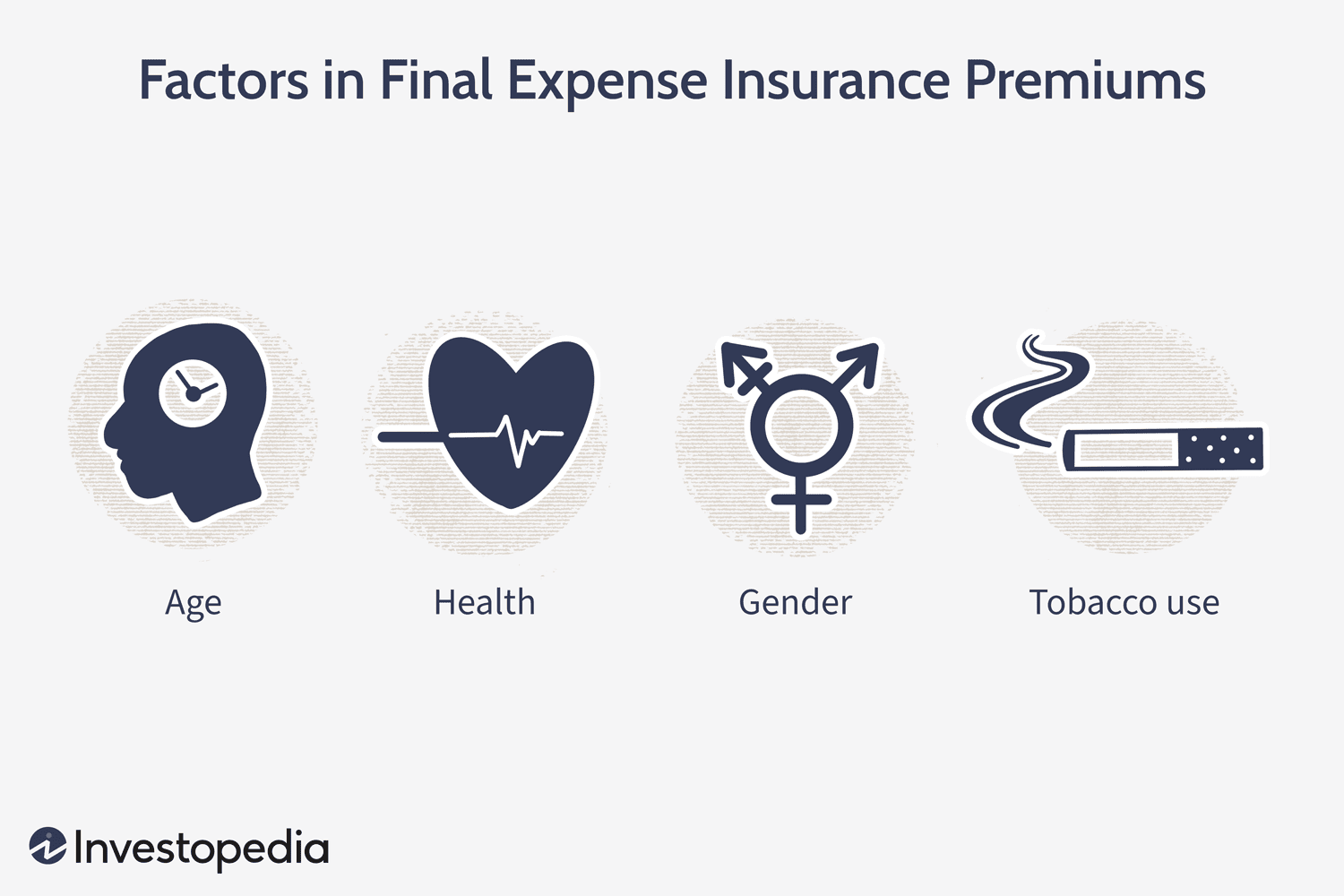
While your premium never increases once the policy is active, the rate you’re offered at the time of application is based heavily on your age. A 55-year-old will pay significantly less per month than a 72-year-old for the same coverage amount. The longer you wait to purchase, the higher your locked-in premium will be — which is why acting sooner rather than later almost always works in your favor financially.
Final Expense Insurance vs. Preneed Insurance

“Pre-Need vs. Final Expense Insurance …” from www.pinnaclequote.com and used with no modifications.
These two products sound similar, but they work very differently — and choosing the wrong one can leave your family with less flexibility than they need. Final expense insurance pays a tax-free cash benefit directly to your named beneficiary, who can then use those funds however they see fit. Preneed insurance, by contrast, is a contract purchased directly through a funeral home. The payout is tied to that specific funeral home and locked into whatever services you pre-selected, often years in advance.
The practical problem with preneed insurance is rigidity. If the funeral home closes, changes ownership, or raises prices beyond what your policy covers, your family has to deal with the fallout. Final expense insurance eliminates that risk entirely. The money goes to a person you trust, not an institution, and that person makes the decisions in real time based on actual circumstances — not choices you made a decade earlier.
How to Choose the Right Final Expense Policy
Choosing the right final expense policy comes down to three things: knowing how much coverage you actually need, finding the most competitive premium for that coverage, and making sure the right person is set up to receive the benefit. Get all three right and the policy does exactly what it’s supposed to do.
Compare Quotes From Multiple Insurers Before Deciding
Premium rates for the same coverage amount can vary significantly between insurers — sometimes by $20 to $40 per month for identical coverage. That difference adds up to hundreds of dollars per year on a fixed income. Before committing to any policy, collect quotes from at least three to five different providers. Look at the monthly premium, the coverage amount, whether the benefit is immediate or graded, and what health questions are being asked. The lowest premium isn’t always the best deal if it comes attached to a two-year waiting period you didn’t expect. If you’re looking for more options, Ranwell Insurance is expanding its life insurance offerings to several states.
Choose a Beneficiary You Trust Completely
Your beneficiary has full discretion over how the death benefit gets used. There are no legal requirements forcing them to spend it on funeral costs — the insurer pays them directly, and the money is theirs to allocate. That flexibility is one of final expense insurance’s greatest strengths, but it depends entirely on selecting someone who will actually use the funds responsibly.
Name a primary beneficiary and a contingent beneficiary. The contingent beneficiary receives the benefit if the primary beneficiary predeceases you or is otherwise unable to receive the payment. Keep your beneficiary designations updated — especially after major life events like marriage, divorce, or the death of a family member. An outdated beneficiary designation is one of the most common and easily preventable problems in life insurance claims.
Document Your Final Wishes Alongside Your Policy
What to Document Alongside Your Final Expense Policy:
• Preferred funeral home or cremation provider
• Burial or cremation preference
• Religious or cultural service requirements
• Preferred cemetery or final resting location
• Names and contact information for those to be notified
• Any pre-purchased cemetery plots or arrangements
• Location of your policy documents and insurer contact details
• Name and contact information of your beneficiary
A final expense policy provides the funds, but it doesn’t automatically communicate your wishes. Without written documentation, your family is left guessing about what kind of service you wanted, where you preferred to be buried, and who should be contacted. That guesswork happens during one of the most emotionally difficult periods they’ll face.
Keep a simple document — even a handwritten letter — that outlines your preferences and pairs it with your policy information. Store it somewhere accessible and make sure your beneficiary knows exactly where to find it. A fireproof home safe or a shared folder with a trusted family member both work well for this purpose.
Some families go a step further and use a formal advance directive or letter of instruction, which can be filed with an estate attorney. This isn’t required for your final expense policy to pay out, but it adds a layer of clarity that your family will genuinely appreciate when the time comes. The goal is to make an already difficult process as straightforward as possible for the people you leave behind.
Final Expense Insurance Is Worth It for Most Older Adults

“Final Expense Insurance for Seniors …” from insurancecentrik.com and used with no modifications.
For adults over 50 who don’t have a dedicated fund set aside for end-of-life costs, final expense insurance is one of the most practical financial tools available. It delivers permanent, guaranteed coverage without the complexity of traditional life insurance, at a premium that fits a retirement budget. The approval process is simple, the benefit is flexible, and the peace of mind it provides — for both the policyholder and their family — is immediate.
The math is straightforward: the median funeral costs $8,300, total end-of-life expenses regularly exceed $10,000, and most families don’t have that money sitting liquid and accessible. A final expense policy closes that gap directly. If you’re in good health, apply now — your premium will be lower than it will be next year. If your health is complicated, apply anyway — you may qualify for a standard policy and be surprised by the rate you’re offered. Either way, the worst outcome is finding out exactly what your options are, and that knowledge alone is worth the conversation.
Frequently Asked Questions
Here are answers to the most common questions people have about final expense insurance before they decide to purchase a policy.
What Does Final Expense Insurance Actually Cover?
Final expense insurance pays a cash death benefit to your named beneficiary, who can use it for any expense they choose. The intended use is covering end-of-life costs — funeral and burial or cremation services, outstanding medical bills, legal fees for settling an estate, and any remaining debts. In practice, the payout is unrestricted cash.
Common expenses covered by final expense insurance benefits include:
- Funeral home services, casket, and burial vault
- Cemetery plot and headstone
- Cremation and urn services
- Transportation and obituary costs
- Unpaid medical or hospital bills
- Credit card balances and personal loans
- Legal and estate settlement fees
- Immediate household expenses for surviving family members
Can I Get Final Expense Insurance With a Pre-Existing Condition?
Yes — and more often than people expect. Standard final expense policies use a simplified health questionnaire rather than a full medical exam, and their underwriting criteria are significantly more lenient than traditional life insurance. Many common conditions like controlled high blood pressure, type 2 diabetes, and even some heart conditions can still qualify for standard coverage with immediate benefits.
For more serious conditions — advanced cancer, recent heart attacks, or terminal diagnoses — guaranteed issue final expense insurance accepts all applicants with no health questions asked. The trade-off is a two-year graded benefit period and higher premiums, but coverage is guaranteed regardless of your health status. The key is applying and letting the insurer assess your situation rather than assuming you won’t qualify.
How Much Does Final Expense Insurance Cost Per Month?
Premiums vary based on your age, gender, health status, and the coverage amount you select. As a general benchmark, a RAPIDecision® Final Expense policy through eFinancial starts at $62 per month for coverage ranging from $5,000 to $40,000. A 60-year-old in good health selecting a $10,000 policy will pay considerably less than a 75-year-old selecting a $20,000 guaranteed issue policy. The earlier you purchase, the lower your locked-in premium will be — which is a compelling reason not to delay the decision.
Is There a Waiting Period Before My Coverage Kicks In?
It depends on the type of policy you choose. Standard and simplified issue final expense policies typically offer immediate coverage — your beneficiary receives the full death benefit from day one. Guaranteed issue policies, however, almost always include a two-year graded benefit period. During those first two years, if you pass away from natural causes, your beneficiary receives a refund of premiums paid plus interest rather than the full death benefit. After the two-year window, the full benefit applies unconditionally. Accidental death is generally covered in full from the policy start date, even on guaranteed issue plans.
What Is the Difference Between Final Expense Insurance and Term Life Insurance?
The most fundamental difference is permanence. Term life insurance covers you for a set period — typically 10, 20, or 30 years — and expires at the end of that term with no payout if you’re still alive. Final expense insurance is permanent whole life coverage that never expires as long as premiums are paid, guaranteeing a payout regardless of when you pass.
Beyond permanence, the two products differ in several important ways:
- Coverage amount: Term policies typically offer $100,000 or more; final expense policies range from $2,000 to $50,000
- Underwriting: Term life requires full medical exams; final expense usually requires only a health questionnaire or nothing at all
- Premium stability: Final expense premiums are fixed for life; term premiums can increase dramatically at renewal
- Cash value: Final expense whole life policies may build modest cash value; term policies build none
- Eligibility: Term life is harder to qualify for as you age; final expense remains accessible well into your 80s with most providers
Term life insurance is generally the better financial value for younger, healthy individuals with dependents and significant income to replace. Final expense insurance is purpose-built for older adults who need guaranteed, permanent coverage for a specific and predictable set of costs — namely, the expenses that come with death itself.
The two products aren’t necessarily in competition. Some people carry both — a term policy for income replacement during working years and a final expense policy to handle end-of-life costs later in life. Once the term policy expires, the final expense policy remains in force to handle exactly what it was designed for.
If you’re trying to decide between the two, the simplest question to ask is this: what am I trying to protect against? If the answer is “I want to make sure my family can afford my funeral and settle my final bills without financial stress,” final expense insurance is the right tool. If the answer involves replacing years of income or paying off a large mortgage, you’ll need a larger policy — and final expense coverage may be a supplement rather than a standalone solution.
Final expense insurance is a type of life insurance policy designed to cover expenses such as funeral costs, medical bills, and other end-of-life expenses. This insurance can be a crucial financial safety net for families during a difficult time. If you’re considering your options, you might want to explore more about final expense insurance and how it can benefit you and your loved ones.
Ready to Compare Your Options?
Call (855) 508-5008 to speak directly with Ranwell Insurance about your coverage goals. We compare multiple carriers, explain your options clearly, and help you choose protection that fits your budget and long-term plans — without pressure.
You can also request a personalized quote and see how different coverage amounts and term lengths affect your monthly cost.