
Key Takeaways
- A healthy 60-year-old man in Georgia can expect to pay between $138 and $196 per month for a $500,000, 20-year term life insurance policy.
- Whole life insurance costs significantly more, with premiums around $1,392 per month for the same coverage amount at age 60.
- Health conditions, smoking status, and family medical history significantly impact life insurance rates for seniors.
- Term life insurance is typically more affordable than whole life insurance, costing about 85% less for the same coverage amount.
- Policy riders and choosing an appropriate coverage amount can help seniors balance cost with necessary protection for their specific needs.
With Ranwell Insurance, Looking for life insurance in your 60s doesn’t have to be complicated. The cost of a $500,000 life insurance policy for a 60-year-old man in Georgia varies significantly based on several key factors that we’ll break down in plain language. Policies range from around $138 per month for term coverage to over $1,300 monthly for permanent protection. Ranwell Insurance offers seniors specialized insurance solutions designed to provide financial security without breaking the bank.
Finding appropriate life insurance coverage as you enter your 60s requires understanding how insurers calculate risk for your age group. While premiums increase substantially from your younger years, quality coverage remains attainable with the right approach. Georgia residents face similar pricing factors as those in other states, but with some regional variations worth considering.
Life insurance serves different purposes at this stage of life compared to when you were younger. Rather than replacing decades of income, many seniors seek coverage for specific end-of-life expenses, legacy planning, or protecting a spouse from debt obligations. This shift in purpose should influence how much coverage you need and which policy type makes the most sense financially.
Article-at-a-Glance
When shopping for life insurance at age 60, understanding the true costs helps you make informed decisions about protecting your family’s financial future. This article by Ranwell Insurance breaks down exactly what a $500,000 policy costs for a 60-year-old man in Georgia, comparing different policy types and explaining factors that affect your rates. We’ll also provide practical strategies to secure affordable coverage despite the higher premiums typically associated with senior life insurance.
- Term life insurance costs for 60-year-old men in Georgia
- Whole life insurance premium comparisons
- Health ratings and their impact on pricing
- Strategies to save money on senior life insurance
- Determining if $500,000 is the right coverage amount for your situation
Many seniors mistakenly assume life insurance is unaffordable once they reach their 60s. While premiums are higher than they would have been decades earlier, several affordable options remain available. The key is understanding exactly what you’re paying for and whether the coverage aligns with your current life situation and financial goals.
$500,000 Life Insurance Costs for 60-Year-Old Men in Georgia: The Hard Numbers

“$500,000 Life Insurance Policy Cost …” from www.lifeant.com and used with no modifications.
For a 60-year-old man in Georgia seeking $500,000 of coverage, life insurance costs vary dramatically between policy types. Term life insurance offers the most affordable option, with a 20-year term policy ranging from $138 to $196 per month for someone in excellent health, according to data from Covr Financial Technologies. This translates to approximately $1,651 to $2,351 annually, representing significant savings compared to permanent coverage options.
Whole life insurance, which provides lifetime coverage and builds cash value, comes at a premium that reflects these additional benefits. A $500,000 whole life policy for a healthy 60-year-old man in Georgia averages about $1,392 monthly, or roughly $16,698 annually. This substantial difference highlights why many seniors opt for term coverage when possible, especially if their insurance needs are expected to diminish over time.
These figures represent base rates for men in excellent health with no significant medical conditions or family health concerns. Actual premiums may increase based on specific health issues, smoking status, family history, or occupation. Insurance companies use different rating systems, so shopping among multiple carriers often yields significant price variations even for identical coverage amounts. For more information, you can explore average monthly payments for a $500,000 life insurance policy.
Term Life Insurance Costs at Age 60 in Georgia
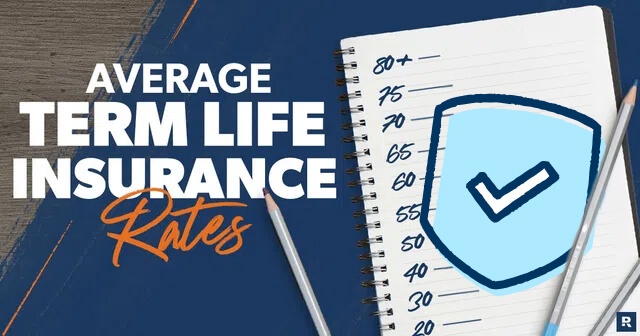
“Term Life Insurance Rate Chart by Age …” from www.ramseysolutions.com and used with no modifications.
Term life insurance remains the most cost-effective option for 60-year-old men seeking substantial coverage. A 10-year term policy for $500,000 naturally costs less than a 20-year term, with premiums typically ranging 30-40% lower due to the shorter coverage period. This makes shorter terms attractive for those with specific, time-limited financial obligations they need to protect against.
Policy length significantly impacts term life costs at age 60. The premium difference between a 10-year and a 20-year policy can be substantial, with the longer term often costing 40-50% more. This reflects the increased risk to the insurer as you age through your 60s and 70s. For example, while a 10-year, $500,000 term policy might cost around $110-150 monthly for a healthy 60-year-old man in Georgia, extending to 20 years pushes that same coverage to $138-196 monthly.
Health classification plays a crucial role in determining your premium. Insurance companies typically categorize applicants into ratings like Preferred Plus, Preferred, Standard Plus, and Standard. For a 60-year-old male seeking $500,000 in coverage, moving from Preferred Plus to Standard rating can increase premiums by 40-60%. This underscores the importance of maintaining good health and addressing controllable risk factors before applying.
Term Life Insurance Rates for a 60-Year-Old Male in Georgia ($500,000 Coverage)
10-Year Term: $110-150 per month (Preferred Plus Health)
15-Year Term: $125-175 per month (Preferred Plus Health)
20-Year Term: $138-196 per month (Preferred Plus Health)
*Rates increase approximately 40-60% for Standard health ratings
Many insurers offer term policies with coverage into your 80s, though premiums increase dramatically for policies extending beyond 20 years. Some Georgia residents find that laddering multiple term policies with different expiration dates provides more cost-effective coverage than a single long-term policy. This strategy aligns decreasing coverage needs with your expected financial obligations as you age. For more information on life insurance options, check out life insurance costs for an 80-year-old in Georgia.
Whole Life Insurance Prices for 60-Year-Old Men
“How Whole Life Insurance Works” from www.investopedia.com and used with no modifications.
Whole life insurance represents a significant investment at age 60, with $500,000 policies averaging around $1,392 monthly ($16,698 annually) for men in excellent health. This premium remains level for life, unlike term insurance which expires after a set period. The substantially higher cost reflects the guaranteed death benefit, cash value accumulation, and lifetime coverage that characterizes whole life policies.
The cash value component functions as a forced savings vehicle that grows tax-deferred over time. For a 60-year-old man purchasing a $500,000 whole life policy, the cash value might reach $50,000-75,000 after 10 years, depending on the specific policy and company. This accessible cash value through policy loans or withdrawals provides financial flexibility that term insurance cannot match, though accessing these funds reduces the death benefit if not repaid.
Dividend-paying whole life policies from mutual insurance companies offer potential premium offsets as the policy matures. While dividends aren’t guaranteed, historically strong companies have consistent payment records that can eventually reduce the effective cost of coverage. For Georgia residents evaluating whole life insurance, comparing illustrated dividends and guaranteed cash value growth across multiple insurers reveals significant performance differences.
- Whole life premiums remain level for your entire lifetime
- Cash value grows tax-deferred and can be accessed during your lifetime
- Dividends (when available) can reduce the effective cost of coverage over time
- Guaranteed acceptance policies available for those with health issues (with lower coverage amounts)
- Simplified issue policies offer a middle ground with less stringent medical requirements
Health Factors That Affect Your Life Insurance Rate

“Life Insurance Premiums: What You Need …” from www.westernsouthern.com and used with no modifications.
Health history becomes increasingly important for life insurance pricing at age 60. Conditions like high blood pressure, high cholesterol, and type 2 diabetes—even when well-controlled—can increase premiums by 50% or more compared to rates for someone in excellent health. More serious conditions like heart disease or cancer history may double or triple rates, or potentially make traditional coverage unavailable without specialized high-risk insurance providers.
Smoking has one of the most dramatic impacts on life insurance premiums at age 60. A Georgia man who smokes can expect to pay 2-3 times more than a non-smoker for identical coverage. Even with smoking cessation, most insurers require at least 12 months tobacco-free before offering non-smoker rates, with some premium companies requiring 3-5 years without tobacco use.
Family medical history influences rates as well, though less dramatically than personal health factors. A history of cardiovascular disease or cancer in parents or siblings before age 60 may increase premiums by 15-25%. Height-to-weight ratio also impacts pricing, with significant deviation from insurer-specific guidelines resulting in higher premiums or possibly declined applications. Understanding why life insurance is important for financial security can help in making informed decisions.
Is $500,000 Coverage the Right Amount for You?
At age 60, determining appropriate coverage requires evaluating your specific financial obligations. The $500,000 figure might be excessive for some and insufficient for others, depending on your unique circumstances. Consider your outstanding mortgage balance, other debts, expected final expenses, and any legacy goals when calculating your ideal coverage amount. Many financial advisors suggest that seniors multiply their annual expenses by the number of years their dependents might need support, then add outstanding debts and funeral costs.
Income replacement becomes less critical for many seniors compared to younger policyholders. If you’re already retired or approaching retirement, your life insurance needs typically shift toward covering specific expenses rather than replacing decades of future earnings. For many 60-year-old men in Georgia, coverage between $250,000 and $500,000 provides sufficient protection for remaining financial obligations without creating unnecessary premium expenses.
Consider whether your beneficiaries’ needs will decrease over time. If your mortgage will be paid off within 10 years or children are financially independent, you might need less coverage as time passes. This realization often leads seniors to choose term policies that align with their diminishing insurance needs, rather than maintaining expensive permanent coverage at levels no longer necessary as their financial obligations decrease.
How to Save Money on Life Insurance at Age 60

“Money on Your Life Insurance in 2023 …” from restnhr.com and used with no modifications.
Comparison shopping becomes essential for finding affordable coverage at age 60. Premium differences between companies for identical coverage can exceed 30%, making it worthwhile to obtain quotes from multiple insurers. Independent insurance brokers who work with numerous companies can streamline this process by matching your specific health profile with insurers most likely to offer favorable rates for your situation.
Improving health metrics before applying can significantly reduce premiums. Even modest improvements in blood pressure, cholesterol, or weight can potentially move you into a better rate class. Some insurance companies offer more lenient underwriting guidelines for specific conditions, making carrier selection critical for applicants with health considerations. For instance, some insurers are more accommodating of controlled diabetes or family history of certain conditions than others.
Consider coverage laddering to optimize premium costs. Rather than purchasing a single $500,000 policy, some Georgia residents find value in combining multiple policies with different terms. For example, a $300,000 10-year policy paired with a $200,000 20-year policy often costs less than a single $500,000 20-year policy while aligning coverage with decreasing financial obligations over time. To understand more about the financial implications, you can explore the average monthly payment for a $500,000 life insurance policy.
- Request quotes from multiple insurance companies specializing in senior coverage
- Improve health metrics before applying when possible
- Consider policy laddering with multiple term lengths
- Evaluate whether permanent insurance is necessary for your situation
- Ask about rate discounts for annual premium payments
Frequently Asked Questions
Can I still get life insurance at age 60 if I have health problems?
Yes, life insurance remains available for 60-year-old men with health issues, though premiums will be higher and options more limited. For moderate health concerns like controlled hypertension or well-managed diabetes, traditional policies often remain accessible with rate increases of 50-100% above standard rates. More significant health challenges may require guaranteed issue policies (which accept all applicants regardless of health) or simplified issue policies (which ask fewer health questions but still provide meaningful coverage). These specialized policies typically offer lower coverage amounts, usually maxing out at $25,000 to $50,000, with premiums of $80-150 monthly depending on the specific policy.
How long should my term life policy last if I’m 60 years old?
The ideal term length depends on your specific financial obligations and when they’re expected to end. For many 60-year-old men in Georgia, a 10 or 15-year term aligns well with remaining mortgage payments, expected retirement timing, or other time-limited financial responsibilities. A 20-year term, while more expensive, ensures coverage through age 80, when most financial obligations have typically ended. Consider when your mortgage will be paid off, when any dependents will become financially independent, and how long you plan to continue working. Aligning your policy’s term with these milestones prevents paying for unnecessary coverage while ensuring protection during crucial periods. To understand more about the importance of life insurance in Georgia, you can read this article on financial security.
Is whole life insurance worth the higher cost for a 60-year-old?
Whole life insurance justifies its higher cost primarily when permanent coverage is essential for specific planning needs. Estate planning purposes, providing for a lifelong dependent, or funding irrevocable life insurance trusts are situations where the permanent nature of whole life makes sense despite the premium difference. The cash value component provides a forced savings mechanism that some seniors find valuable, particularly those who have maximized other tax-advantaged investment options.
For most 60-year-old men in Georgia, however, term insurance offers more cost-effective protection. The premium savings between whole and term policies can be invested elsewhere, potentially generating higher returns than typical whole life cash value growth. Unless you specifically need lifetime coverage or the tax advantages of whole life insurance, term policies generally provide better value for addressing time-limited insurance needs.
What happens if I outlive my term life insurance policy?
When you outlive a term life policy, coverage simply ends without any return of premiums (unless you purchased a specific return-of-premium rider). Some policies offer conversion options allowing you to transition to permanent coverage without new medical underwriting, though premiums for the converted policy reflect your age at conversion. This feature provides valuable flexibility if your health deteriorates during the policy term. Many Georgia insurers offer term policies with conversion privileges during the first 10-15 years of coverage, though converted policies typically cost significantly more than the original term policy due to the age difference at conversion. For more information, you can read about the average monthly payment for a $500,000 life insurance policy.
Are life insurance rates in Georgia higher or lower than other states?
Georgia’s life insurance rates for 60-year-old men generally align with national averages, though some regional factors create minor variations. Rates primarily depend on individual health factors rather than location, with insurers using mortality tables and actuarial data that largely transcend state boundaries. While Georgia doesn’t impose special regulations that significantly impact life insurance pricing, some carriers may adjust rates slightly based on regional health statistics and mortality data.
State regulations regarding policy provisions can create minor differences in coverage details, though these rarely impact premium costs significantly. Georgia’s insurance department maintains consumer-friendly regulations that ensure policy transparency and fair claims practices. While shopping among national carriers, Georgia residents typically find premium variations based more on each company’s underwriting philosophy than on state-specific factors.
Finding the right life insurance policy at age 60 requires balancing affordability with appropriate coverage for your specific situation. Ranwell Insurance helps seniors navigate these complex decisions with specialized insurance solutions designed for this stage of life.
Determining the cost of a $500,000 life insurance policy for a 60-year-old man in Georgia depends on various factors, including health, lifestyle, and the type of policy chosen. It’s important to understand these factors to make an informed decision. For instance, locking in life insurance coverage while you’re healthy can significantly affect your premiums. To learn more about this, check out why you should lock in life insurance coverage while you’re healthy.
Contact Ranwell Insurance today @ (855) 508-5008 for good old fashioned southern service that’s as personalized as your grandma’s peach or pecan pie recipes. We shop multiple carriers so you don’t have to — get your free, personalized quote today.